

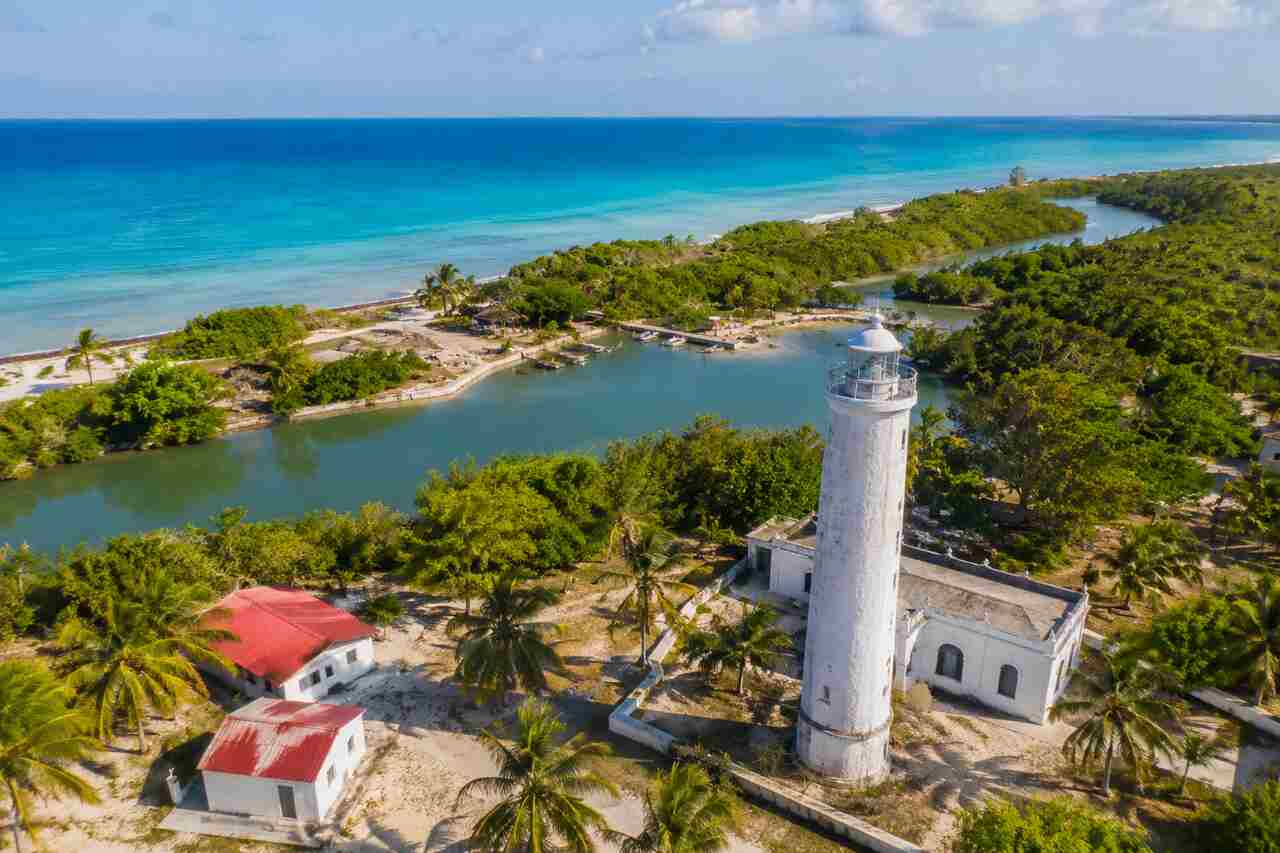
Sisal, Yucatán, is more than a quiet Gulf Coast beach town. Once an important maritime port connected to Yucatán’s henequén trade, Sisal played a role in an industry that helped shape the region’s economy and even influenced the name of the globally known sisal fiber.
What Is Sisal, Yucatán?
Sisal is a coastal town in the municipality of Hunucmá, in the northwestern part of the Yucatán Peninsula along the Gulf of Mexico.
Historically, Sisal served as an important maritime port for Yucatán. It was particularly significant for the export of henequén and other regional products. Today, the town has a quieter identity centered on fishing, tourism, beaches, mangroves, wetlands, and wildlife.
Its unusual appeal comes from the combination of history and nature. Visitors can explore a former commercial port while also experiencing one of the Yucatán coast’s important wetland environments.
Where Is Sisal, Yucatán?
Sisal is located on the northwestern coast of the Yucatán Peninsula, within the municipality of Hunucmá.
The town is approximately 70 kilometers from Mérida by road, making it a practical coastal destination for travelers staying in the Yucatán capital.
Its location on the Gulf of Mexico gives Sisal a very different atmosphere from inland destinations such as Mérida, Valladolid, or Chichén Itzá.
Sisal at a Glance
| Detail | Information |
|---|---|
| Country | Mexico |
| State | Yucatán |
| Municipality | Hunucmá |
| Coast | Gulf of Mexico |
| Destination type | Historic port and coastal town |
| Official designation | Pueblo Mágico |
| Historical association | Henequén trade |
| Natural attractions | Beaches, mangroves, wetlands, wildlife |
| Main appeal | History, nature, seafood, and relaxed coastal atmosphere |
Why Is Sisal Famous?
Sisal is famous for its historic port, connection to the henequén trade, and coastal environment.
The town has an especially interesting connection to the word “sisal.” Henequén fiber exported through the port became known internationally by the name of the port from which it was shipped.
This created a lasting connection between a small Yucatán coastal community and a natural fiber recognized around the world.
Today, Sisal is also known for its beach, fishing traditions, mangrove ecosystems, birdwatching opportunities, and Pueblo Mágico status.
Is Sisal the Same as Henequén?
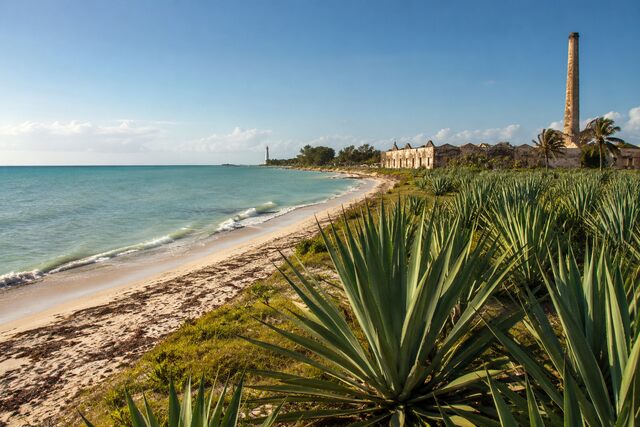
No. Sisal and henequén are related but botanically different agave plants.
Henequén is commonly identified as Agave fourcroydes, while true sisal is Agave sisalana. Both have been used as sources of strong natural fiber.
The confusion largely comes from Yucatán’s history as a major producer and exporter of agave fiber.
What Is Henequén?
Henequén is an agave traditionally cultivated in Yucatán for its strong fiber.
The plant became one of the region’s most important commercial crops, particularly during the nineteenth and early twentieth centuries.
Its fiber was used for products such as:
- Rope
- Twine
- Cordage
- Sacks
- Agricultural materials
- Other industrial products
Why Is It Called Sisal?
The international use of the word “sisal” is strongly connected to the Port of Sisal.
Because henequén fiber was exported through the port, international markets began associating the product with the name Sisal.
This is why the town has a global linguistic legacy that extends far beyond Yucatán.
The History of Sisal, Yucatán
Sisal’s history is closely connected to the development of Yucatán’s coastal trade and agricultural economy.
Agave and the Maya
The story of agave fiber in Yucatán goes back much further than the modern commercial henequén industry.
Maya communities cultivated and used native agaves for their fibers and other useful materials. These plants could provide strong fibers suitable for cordage, textiles, and other practical purposes.
This long relationship between people and agave helped establish the foundation for the later commercial importance of fiber production in the peninsula.
Sisal as a Colonial Port
During the colonial period, Sisal developed as an important maritime outlet.
The port provided a connection between Yucatán and international maritime trade. Regional products could be transported through the port to overseas markets.
This helped establish Sisal as an important part of the economic relationship between Mérida, the Yucatán interior, and the Gulf of Mexico.
The Henequén Boom
The nineteenth century was a transformative period for Sisal and Yucatán.
Henequén became a major commercial crop, with large-scale production expanding during the nineteenth century.
The fiber was particularly valuable because of its strength and suitability for rope, twine, agricultural products, and other applications.
Yucatán’s henequén industry generated considerable wealth and became known as the era of “green gold.”
Why Was Henequén Called “Green Gold”?
Henequén earned the nickname “green gold” because of the wealth generated by the crop and the importance of its export economy.
The industry influenced far more than agriculture. It shaped:
- Hacienda development
- Land ownership
- Transportation
- International commerce
- Regional wealth
- Labor systems
- Architecture
- Yucatán’s economic development
Sisal was an important part of this broader economic system because of its role as an export port.
Why Did Sisal Lose Its Importance as a Port?
Sisal eventually lost its position as Yucatán’s principal commercial port as shipping requirements changed.
Larger vessels required better maritime infrastructure, and Progreso developed into the region’s major deep-water port.
As commercial shipping moved toward Progreso, Sisal’s economic role changed.
The town gradually became more strongly associated with fishing and local coastal life rather than large-scale international commerce.
What Happened to Sisal After the Port Declined?
Sisal did not disappear after its commercial importance declined.
Instead, the town developed a new identity based around:
- Fishing
- Local commerce
- Coastal living
- Historic heritage
- Beaches
- Nature tourism
- Ecotourism
That transition is one of the most interesting aspects of Sisal today.
The town is not simply a former port preserved for tourists. It remains a living coastal community whose modern identity developed from its historical roots.
Is Sisal, Yucatán a Pueblo Mágico?
Yes. Sisal became an official Pueblo Mágico in 2020.
Mexico’s Secretariat of Tourism announced the designation on December 1, 2020.
The designation recognizes destinations with distinctive cultural, historical, natural, and community characteristics.
In Sisal’s case, its historic port, colonial heritage, henequén connection, coastal environment, wetlands, and local traditions all contribute to its identity.
Best Things to Do in Sisal, Yucatán
The best way to experience Sisal is to combine history, nature, food, and beach time.
1. Relax on Sisal Beach
Sisal’s beach is one of the town’s most obvious attractions.
The Gulf Coast setting provides white sand, open water, and a relaxed environment that feels different from heavily developed resort destinations.
A beach visit works particularly well when combined with other activities rather than treated as the entire itinerary.
You can spend part of the day swimming or walking along the shoreline before exploring the historic town or nearby wetlands.
2. Explore the Historic Waterfront
Sisal’s waterfront helps visitors understand the town’s former importance as a commercial port.
Walking around the waterfront gives you a sense of how closely the community’s history was connected to maritime trade.
The area is especially interesting when viewed alongside the town’s fort, lighthouse, and former customs facilities.
3. Visit the Fort and Lighthouse
The historic Fuerte de Santiago and lighthouse are among Sisal’s most recognizable landmarks.
They reflect the town’s maritime history and provide an important connection between modern Sisal and its earlier role as a port.
The lighthouse is also one of the structures that helps define Sisal’s coastal identity.
4. Explore the Mangroves
Sisal’s natural environment extends well beyond its beach.
Mangrove ecosystems surround parts of the coastal area and provide habitat for birds, fish, and other wildlife.
A guided boat or kayak trip through the mangroves can provide a completely different perspective of the destination.
Instead of viewing Sisal only from the shoreline, you can experience the waterways and wetlands that support the coastal ecosystem.
5. Go Birdwatching
Birdwatching is one of the strongest nature-based activities in Sisal.
The surrounding wetlands provide habitat for numerous bird species, making the area particularly interesting for travelers who enjoy wildlife photography and ecological tourism.
Bring binoculars if birdwatching is one of your main reasons for visiting.
6. Look for Flamingos
The wetlands around Sisal are associated with pink flamingos, which are among the region’s most recognizable birds.
However, wildlife sightings should never be treated as guaranteed.
The number and location of birds can change depending on season, weather, water conditions, and animal behavior.
For the best experience, observe wildlife responsibly and avoid disturbing feeding or nesting areas.
7. Take a Boat or Kayak Tour
A boat or kayak excursion can combine several of Sisal’s attractions in one experience.
Depending on the route and conditions, a tour may allow you to explore:
- Mangroves
- Wetlands
- Coastal waterways
- Bird habitat
- Wildlife
- Quiet natural areas
This makes water-based exploration particularly worthwhile for travelers who want more than a conventional beach day.
8. Try Local Seafood
Sisal is still closely connected to fishing, so seafood naturally plays an important role in the local food culture.
A meal featuring fresh local seafood is one of the simplest ways to experience the town’s identity.
Rather than rushing through Sisal, consider leaving enough time for a relaxed lunch or dinner near the coast.
Sisal and the Global Sisal Fiber Connection
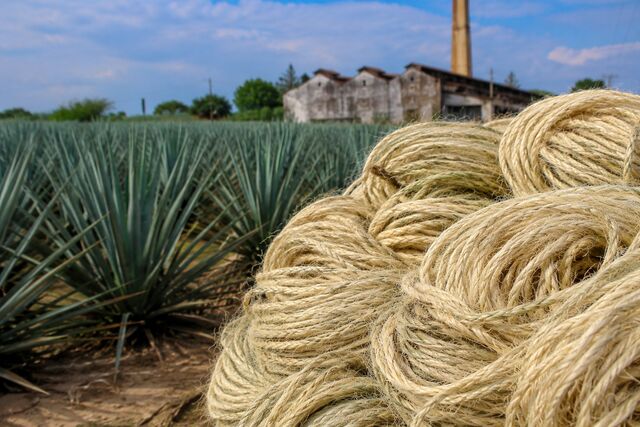
One of the most fascinating things about Sisal is that the town’s name became internationally associated with a natural fiber.
The important distinction is that the historical Yucatán fiber industry was heavily based on henequén, while true botanical sisal comes from a different agave species.
The international name developed through the movement of fiber through the Port of Sisal.
This creates an unusual historical connection:
a small Yucatán port → international trade → a globally recognized fiber name.
That story is one of the reasons Sisal deserves more attention than it receives from travelers who only know it as a beach destination.
What Is Sisal Fiber Used For?
Sisal fiber is valued for its strength and durability.
Traditional and modern applications include:
- Rope
- Twine
- Cordage
- Mats
- Rugs
- Sacks
- Handicrafts
- Textiles
- Agricultural products
Natural fibers such as sisal and henequén have also attracted interest for newer applications because of their renewable plant origin and useful mechanical properties.
Sisal vs. Progreso: Which Should You Visit?
Sisal and Progreso are both coastal destinations in Yucatán, but they provide different experiences.
| Experience | Sisal | Progreso |
|---|---|---|
| Quiet atmosphere | Excellent | Moderate |
| Historic port character | Strong | Strong |
| Beach experience | Relaxed | More developed |
| Fishing-town atmosphere | Strong | Moderate |
| Mangroves and nature | Excellent | Moderate |
| Large-scale port activity | No | Yes |
| Resort-style development | Limited | Greater |
| Slow day trip | Excellent | Excellent |
If your priority is a quieter coastal town with history and nature, Sisal is likely the better choice.
If you want a more developed seaside destination with broader tourist infrastructure, Progreso may be more suitable.
Is Sisal Worth Visiting?
Yes, especially for travelers who enjoy history, nature, and quieter coastal destinations.
Sisal may not be the ideal choice if you are looking for:
- Large all-inclusive resorts
- Major nightlife
- Extensive shopping
- A highly developed tourist infrastructure
But it is a strong choice if you want:
- A historic port
- A Pueblo Mágico
- A beautiful Gulf Coast beach
- Mangroves
- Birdwatching
- Wildlife
- Seafood
- Fishing culture
- A slower travel experience
Its greatest strength is the combination of these elements.
How Much Time Do You Need in Sisal?
For most travelers, one full day can cover the major highlights.
A practical itinerary could look like this:
Morning
Start by exploring the historic center and waterfront.
Visit the fort and lighthouse area before temperatures become too high.
Late Morning
Take a mangrove or wildlife excursion.
This is a good time to explore the natural environment before spending the afternoon at the beach.
Afternoon
Have lunch featuring local seafood and spend several hours relaxing by the Gulf.
Late Afternoon
Walk around town, return to the waterfront, and enjoy the changing light along the coast.
If you prefer slow travel, staying overnight gives you more time to experience the town without rushing.
When Is the Best Time to Visit Sisal?
The best time depends on your priorities.
For comfortable sightseeing and outdoor activities, many travelers prefer the cooler and generally drier months.
The warmer months can still be enjoyable for beach activities, but Yucatán’s heat and humidity can make extended outdoor exploration more demanding.
For wildlife activities, conditions can vary by season, so it is useful to check local conditions and tour availability before traveling.
What Should You Bring to Sisal?
For a typical day in Sisal, consider bringing:
- Comfortable walking shoes
- Lightweight clothing
- Swimwear
- Hat
- Sunglasses
- Sunscreen
- Reusable water bottle
- Insect repellent
- Waterproof protection for electronics
- Cash for smaller purchases
- Binoculars for birdwatching
If you are planning a mangrove excursion, insect repellent and sun protection become particularly useful.
Is Sisal Good for a Day Trip From Mérida?
Yes. Sisal is well suited to a day trip from Mérida.
The most rewarding approach is to avoid treating it as simply “a beach near Mérida.”
Instead, build the trip around three themes:
History
Learn about Sisal’s former role in Yucatán’s maritime trade and the henequén economy.
Nature
Explore mangroves, wetlands, birds, and coastal wildlife.
Coast
Finish with the beach, seafood, and waterfront atmosphere.
This approach gives you a much fuller understanding of why Sisal matters.
What Makes Sisal Different From Other Yucatán Beach Destinations?
Sisal’s biggest advantage is character.
The town was not created primarily as a modern resort destination. Its tourism identity developed around an existing fishing community, historic port, natural environment, and local culture.
That gives Sisal a different feeling from more heavily developed coastal destinations.
Its appeal can be summarized as:
history + community + nature + coastline.
For travelers who value authentic local character and slower experiences, that combination can be more valuable than extensive resort infrastructure.
FAQ’s
Yes. Sisal is worth visiting for its historic port, henequén legacy, beaches, mangroves, wildlife, seafood, and relaxed coastal atmosphere.
Sisal is famous for its historic role as a Yucatán port and its connection to the international name of the sisal fiber. Today, it is also known for its beaches, fishing culture, wetlands, and Pueblo Mágico designation.
Yes. Sisal was officially designated a Pueblo Mágico in December 2020.
No. Sisal and henequén are different agave plants. Henequén, particularly Agave fourcroydes, played a major role in Yucatán’s historic fiber industry, while true sisal is associated with Agave sisalana.
The name is historically associated with the Port of Sisal, through which Yucatecan agave fiber was exported internationally.
Yes, flamingos are associated with the wetlands around Sisal, although sightings depend on wildlife conditions and should never be considered guaranteed.
The main activities include visiting historic sites, relaxing on the beach, exploring mangroves, birdwatching, taking boat or kayak trips, observing wildlife, and eating local seafood.
Yes. Sisal is roughly 70 kilometers from Mérida by road, making it a practical day-trip destination.
Yes. Its mangroves, wetlands, bird habitat, coastal ecosystems, and proximity to protected natural areas make Sisal particularly suitable for nature-focused travel.
Final Takeaway
Sisal, Yucatán is much more than a beach destination.
Its story connects Maya agave use, colonial maritime trade, the henequén boom, international fiber commerce, the rise of Progreso, and the transformation of a major historic port into a fishing and tourism community.
The town’s global legacy is particularly unusual: a small port in Yucatán became associated with the name of a natural fiber known around the world.
Today, Sisal offers a different kind of attraction. Visitors can explore historic landmarks, learn about the henequén economy, discover mangroves and wetlands, observe birds and wildlife, eat fresh seafood, and relax beside the Gulf of Mexico.
Explore lifestylewifey.com for practical ideas and inspiration across family, home decor, business, lifestyle, and travel.
