

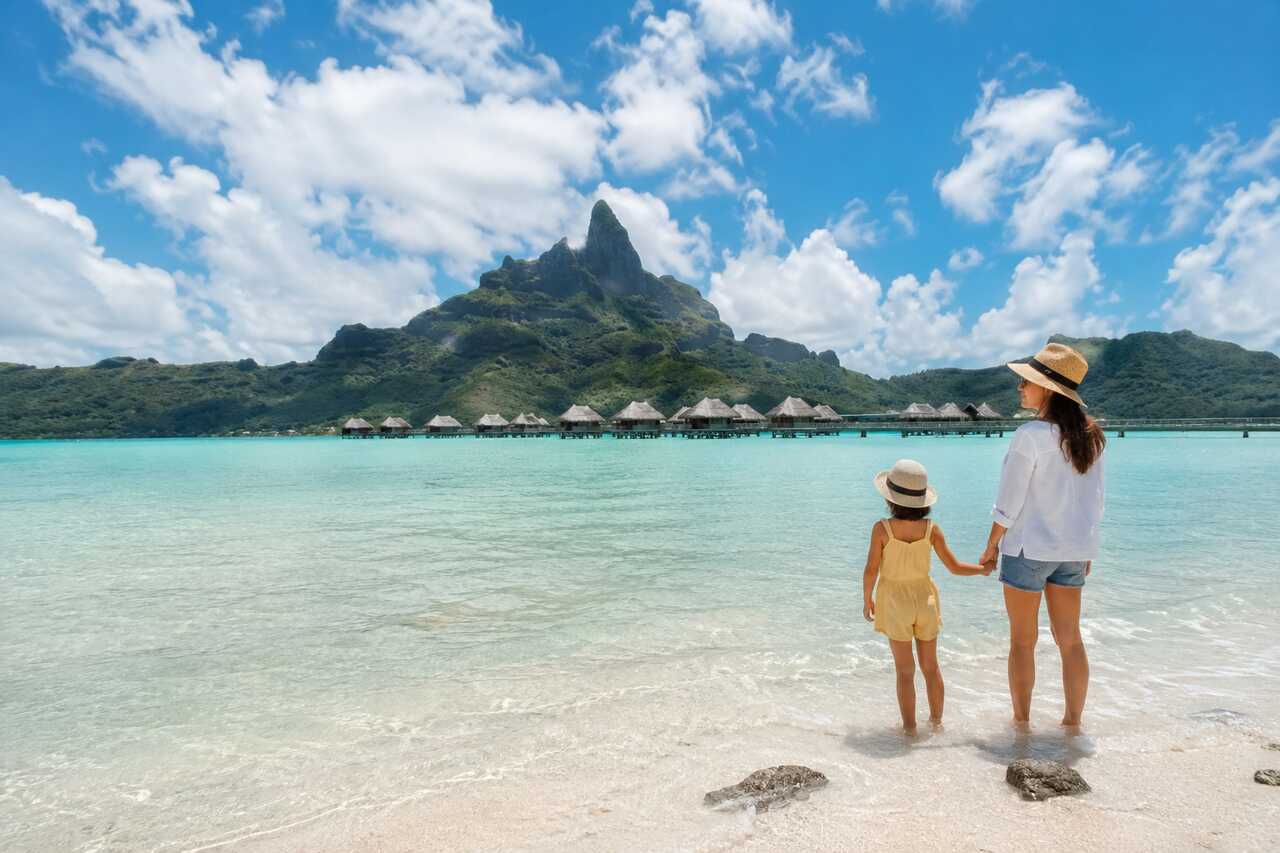
Planning a family vacation sounds simple until you try to choose the destination.
One child wants a beach. Another wants animals. Your teenager wants something that does not feel “too kiddy.” Meanwhile, you may be thinking about flight times, hotel rooms, food, transportation, naps, safety, and how much sightseeing your family can realistically survive in one day.
That is why there is no single best place to travel with kids.
The best destination is the one that matches your children’s ages, interests, energy levels, your budget, and how much logistical complexity your family is comfortable handling.
For some families, that means a resort where everything is close by. For others, it means a road trip through national parks, a wildlife adventure in Costa Rica, or a cultural journey through Japan.
Quick Answer: What Are the Best Places to Travel With Kids?
If you want a short list, these are some of the strongest family destinations to consider in 2026:
| Destination | Best for | Ideal age | Trip style |
|---|---|---|---|
| Japan | Culture, food, technology and variety | 5+ | Cultural adventure |
| Costa Rica | Wildlife and outdoor adventure | 5+ | Nature/adventure |
| Portugal | Beaches, food and easy exploration | 3+ | Relaxed exploration |
| Orlando, Florida | Theme parks | 4–14 | Entertainment |
| London, England | Museums, history and family attractions | 5+ | City break |
| Italy | Food, history and culture | 5+ | Cultural vacation |
| Hawaii | Beaches and easy resort travel | All ages | Beach/resort |
| U.S. National Parks | Nature and adventure | 5+ | Outdoor trip |
| San Diego, California | Beaches plus attractions | All ages | Easy family getaway |
| British Columbia, Canada | Wildlife and outdoor activities | 5+ | Nature/adventure |
| South Africa | Safari and wildlife | 8+ | Big adventure |
| Greece | Beaches, islands and history | 5+ | Beach/culture |
| Bali, Indonesia | Beaches and family experiences | 5+ | Tropical adventure |
| Dubai, UAE | Attractions and convenience | All ages | Resort/city |
| The Netherlands | Compact European family trip | 5+ | Culture/cycling |
The important point is that these destinations are not interchangeable. A destination that is fantastic for an adventurous 12-year-old may be exhausting for a two-year-old.
How to Choose the Best Family Travel Destination

Before booking anything, answer five questions:
1. How old are your children?
Age changes the equation dramatically.
A toddler may care more about sleep, familiar food and a swimming pool than a famous landmark.
A seven-year-old may want animals, interactive museums and hands-on activities.
A teenager may prefer adventure, shopping, sports, technology, food or destinations that feel culturally different.
2. How much travel can your family tolerate?
A theoretically amazing destination can become a terrible vacation if reaching it requires three flights, a long transfer and another four-hour drive.
For younger children, reducing transportation between experiences can be more valuable than adding another attraction.
3. Do you want relaxation or exploration?
A family resort and a multi-city European itinerary are fundamentally different vacations.
If the adults desperately need rest, choose a destination where entertainment, food, accommodation and activities are geographically convenient.
If everyone enjoys exploring, a destination with cultural and outdoor variety may be more rewarding.
4. What does your child actually enjoy?
Do not choose a destination because it is “educational” if your child hates museums.
Likewise, do not automatically choose a theme park because it is marketed toward children.
The strongest family vacations usually contain something each generation genuinely enjoys.
5. How much complexity are you willing to manage?
This is one of the most overlooked factors in family travel.
A destination can be safe, beautiful and full of attractions while still being difficult for parents.
Consider:
- transportation;
- accommodation location;
- meal options;
- stroller access;
- weather;
- driving requirements;
- distance between attractions;
- availability of rest days;
- access to medical care;
- language and communication;
- visa and entry requirements.
The “best” destination is often the one that creates the least unnecessary friction while still giving your family something exciting to experience.
1. Japan — Best Overall for Families Who Want Variety

Japan is one of the strongest choices for families who want to combine culture, food, technology, entertainment and memorable everyday experiences.
Tokyo can provide theme parks, aquariums, interactive attractions and pop culture. Kyoto adds temples, traditional neighborhoods and cultural experiences. Families can also explore castles, nature, hot springs and smaller cities.
Japan’s national tourism organization specifically highlights family infrastructure such as nursing rooms, stroller-friendly public transportation, stroller rentals and family-oriented restaurants.
Why kids love it
Children can experience:
- high-speed trains;
- anime and Pokémon culture;
- interactive museums;
- theme parks;
- aquariums;
- traditional Japanese experiences;
- unusual foods and snacks;
- castles and historic sites.
Best for
Families with children roughly 5 and older, although Japan can work with babies and toddlers when parents plan around transportation and rest.
The trade-off
Japan rewards planning. Major cities can be busy, and some stations and older areas involve stairs or significant walking. JNTO recommends allowing additional time and adapting between strollers and baby carriers depending on the route.
Best approach: Choose two or three bases rather than attempting to see the entire country.
2. Costa Rica — Best for Wildlife and Adventure
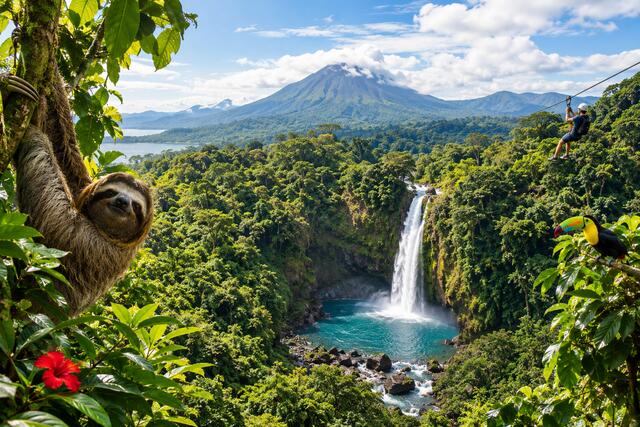
Costa Rica is a particularly strong option when children are fascinated by animals and the outdoors.
Instead of simply looking at animals in a zoo, families can encounter wildlife in its natural environment while combining rainforest, beaches and adventure activities.
Costa Rica’s official tourism organization highlights family activities including wildlife encounters, surfing, hiking, rafting, museums, nature sanctuaries and ecotourism.
Why kids love it
Depending on age, families can experience:
- monkeys;
- tropical birds;
- sea turtles;
- rainforest walks;
- waterfalls;
- beaches;
- surfing lessons;
- zip-lining;
- chocolate experiences;
- rafting.
Best for
School-age children and teenagers who enjoy being active.
The trade-off
Costa Rica is more about adventure than effortless sightseeing. Driving times, weather and changing terrain can make some itineraries demanding.
Best approach: Pick one or two regions instead of trying to cover the entire country.
3. Portugal — Best for a Relaxed European Family Vacation
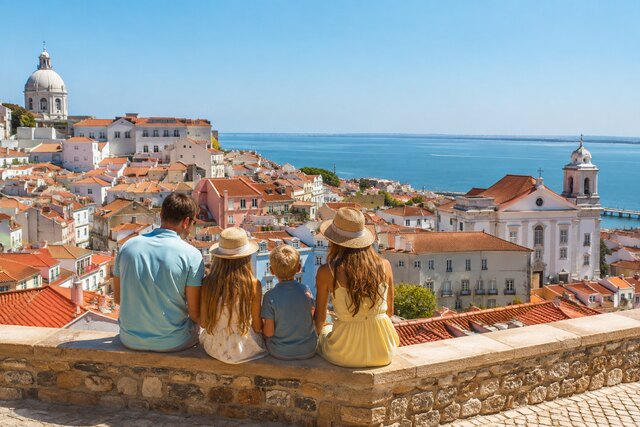
Portugal offers a particularly useful combination for families: beaches, cities, history, food and outdoor activities without requiring an enormous country-wide itinerary.
Portugal’s official tourism authority describes the country as family-friendly and highlights castles, museums, zoos, theme parks, water parks, nature activities, beaches and surfing.
Why kids love it
You can combine:
- Lisbon;
- beaches in the Algarve;
- castles;
- aquariums;
- dolphin and whale experiences;
- cycling;
- surfing;
- parks;
- family-friendly attractions.
Best for
Families with children from preschool age through teenagers.
The trade-off
Some Portuguese destinations involve hills, cobblestones and walking. Parents with strollers should plan routes rather than assuming every street will be effortless.
Best approach: Combine a city stay with a beach destination.
4. Orlando, Florida — Best for Theme-Park Families

If your children are obsessed with Disney, Universal or theme parks, Orlando is difficult to beat.
The destination’s advantage is concentration: families can build an entire vacation around major attractions without constantly changing countries or hotels.
Why kids love it
Depending on their ages, children can enjoy:
- major theme parks;
- water parks;
- character experiences;
- interactive attractions;
- shopping;
- resort pools;
- nearby space-related attractions.
Best for
Preschoolers through teenagers, although the ideal parks vary considerably by age.
The trade-off
Theme-park vacations can become expensive and physically exhausting.
The mistake is trying to visit a park from opening until closing every day.
Better strategy: Schedule rest or pool time between major park days.
5. London — Best for Culture Without Making Learning Feel Like School
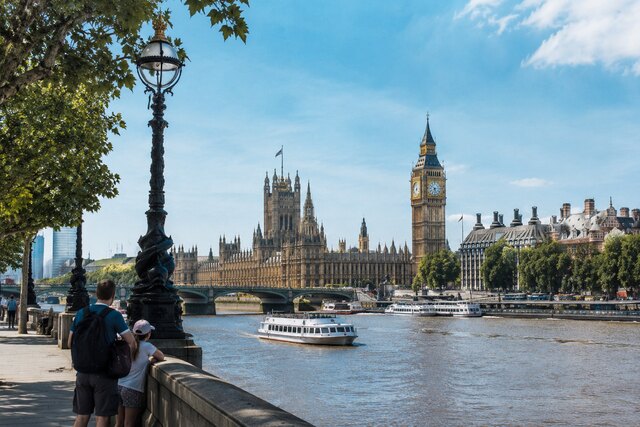
London works particularly well for families whose children enjoy stories, history, science and recognizable landmarks.
Museums and historic attractions can turn a traditional sightseeing trip into something children actively participate in.
Why kids love it
Depending on interests, families can explore:
- natural history;
- science;
- royal history;
- castles and palaces;
- famous landmarks;
- Harry Potter-related experiences;
- parks;
- river cruises;
- theatre.
Best for
School-age children and teenagers.
The trade-off
London can become tiring if every day is built around a long list of attractions.
Best approach: Choose one major attraction per day and leave room for spontaneous discoveries.
6. Italy — Best for Food, History and Family Experiences
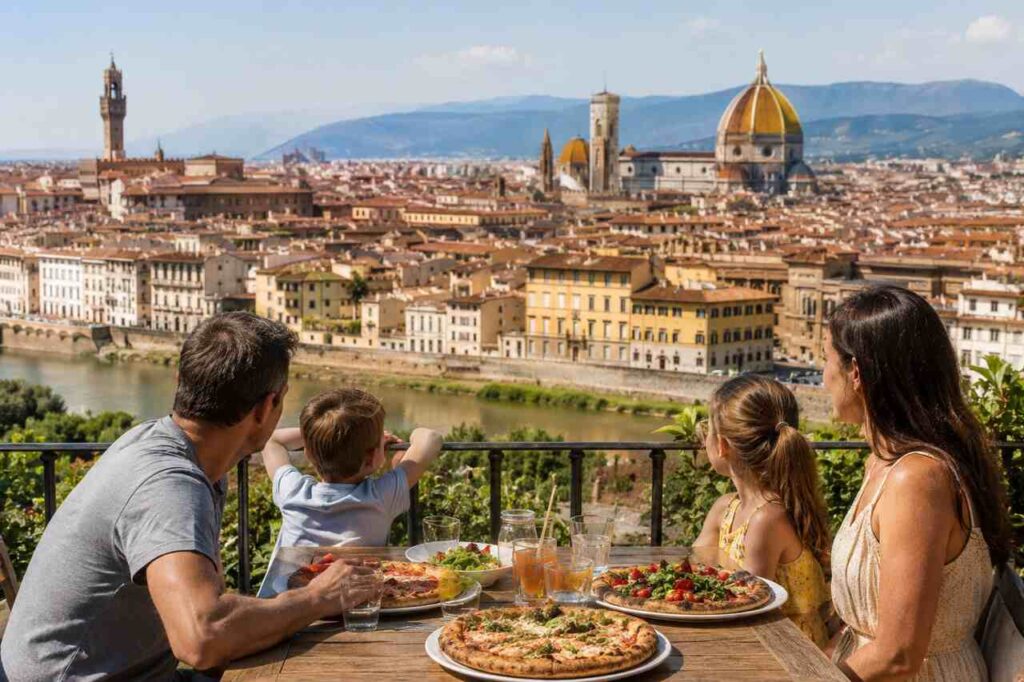
Italy is an excellent destination when parents want cultural depth without sacrificing the things children enjoy.
Pizza, gelato and pasta provide an immediate entry point into Italian culture, while ancient ruins, beaches, lakes and interactive experiences provide variety.
Current family-destination coverage also consistently highlights Italy’s combination of food, Roman history, cooking experiences, lakes and outdoor activities.
Strong family bases include
- Rome;
- Florence;
- Tuscany;
- Venice;
- Lake Garda;
- the Dolomites.
Best for
Children roughly 5 and older.
The trade-off
Italy can involve considerable walking, crowds and heat during peak summer.
Best approach: Do not treat Italy as a checklist. Pick one region and experience it slowly.
7. Hawaii — Best for an Easy Beach Vacation

Hawaii is particularly attractive to families who want a vacation where the beach itself provides much of the entertainment.
Swimming, snorkeling, beaches and outdoor activities can be balanced with resort downtime.
Best for
Families of almost any age, provided the journey and budget work for you.
Why parents like it
The strongest advantage is simplicity once you arrive.
You do not necessarily need to fill every hour with attractions.
The trade-off
Long-distance travel and accommodation costs can make Hawaii expensive.
Best approach: Stay longer and avoid moving between islands unless your family genuinely wants that extra travel.
8. U.S. National Parks — Best for Outdoor Families

National parks are often a better family choice than parents expect.
Children do not need to be expert hikers. Many parks offer short walks, scenic viewpoints, wildlife watching and junior-ranger-style educational experiences.
Great family options include
- Yellowstone;
- Yosemite;
- Grand Canyon;
- Zion;
- Great Smoky Mountains;
- Rocky Mountain National Park.
Best for
School-age children and teenagers.
The trade-off
National parks can require driving, advance planning and preparation for weather and changing conditions.
Best approach: Build the trip around short, achievable experiences rather than trying to complete difficult hikes.
9. San Diego — Best for a Low-Stress U.S. Family Getaway

San Diego combines beaches with family attractions, making it easier to create a varied itinerary without constant travel.
A family could spend one day at the beach, another visiting attractions, and another simply enjoying the city.
Best for
Families with young children through teenagers.
Why it works
The destination allows parents to mix active days with downtime without dramatically changing the vacation structure.
10. British Columbia, Canada — Best for Wildlife and Nature

British Columbia is a strong choice for families who want dramatic scenery without turning the trip entirely into a wilderness expedition.
Vancouver, Whistler and other areas can provide a mixture of city comforts and outdoor experiences.
Condé Nast Traveler currently includes British Columbia among its leading global family destinations, emphasizing wildlife, hiking, biking and outdoor experiences.
Best for
Families with school-age children and teenagers.
Trade-off
Distances can become significant once you move beyond the major urban areas.
Best approach: Build a focused itinerary around Vancouver and one nearby outdoor region.
11. South Africa — Best for a Once-in-a-Lifetime Family Adventure
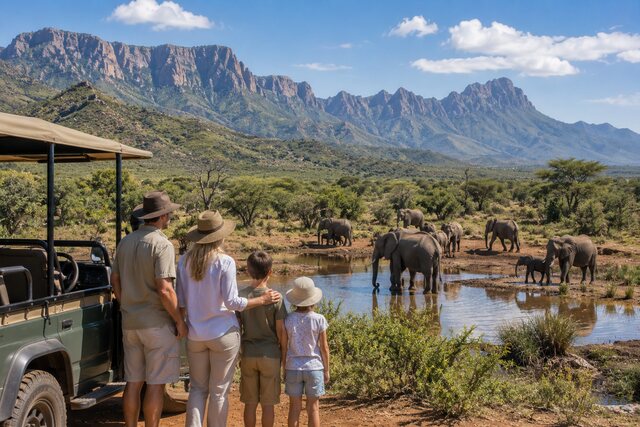
For families ready for a more ambitious trip, South Africa offers a remarkable combination of wildlife, scenery, cities and cultural experiences.
A safari can turn an ordinary vacation into an educational experience that children remember for years.
Current family travel coverage highlights South Africa for safari experiences in places such as Kruger and Tswalu, combined with Cape Town and coastal experiences.
Best for
Older children and teenagers.
The trade-off
This is not the easiest first international trip with very young children. Long flights, transfers and safari logistics require thoughtful planning.
Best approach: Combine Cape Town with one safari region rather than trying to see everything.
12. Greece — Best for Islands, Beaches and Ancient History
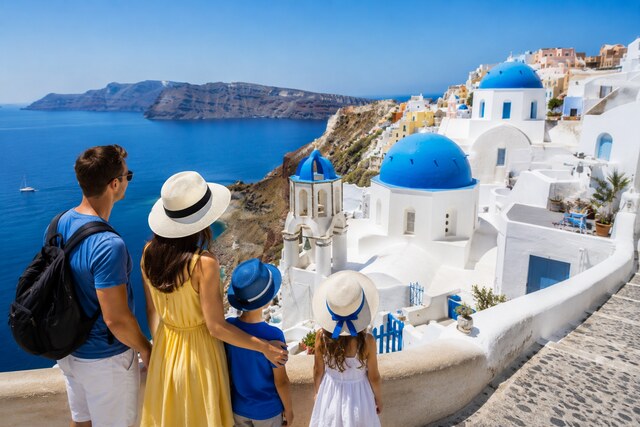
Greece gives families a useful combination: children can swim and play while parents explore history and food.
Athens provides ancient history, while the islands introduce beaches and slower-paced family days.
Best for
Families with school-age children and teenagers.
The trade-off
Island-hopping sounds attractive but can introduce unnecessary ferry transfers.
Best approach: Choose one island or one island group and slow down.
13. Bali, Indonesia — Best for Tropical Family Adventure
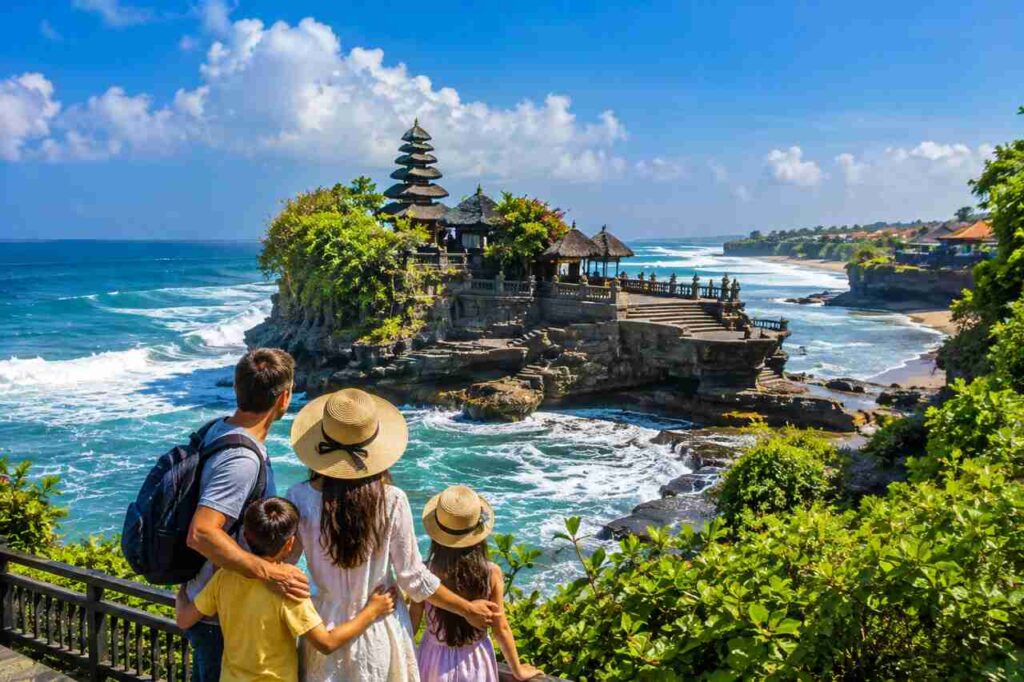
Bali can work particularly well for families who want beaches combined with cultural experiences.
Children can experience:
- beaches;
- pools;
- temples;
- rice terraces;
- wildlife;
- water activities;
- cultural performances.
Indonesia is also highlighted by Condé Nast Traveler as a strong family destination because it combines Bali’s beaches with cultural and nature-based experiences elsewhere in the country.
Best for
School-age children and teenagers.
The trade-off
Traffic can significantly affect travel times in busy areas.
Best approach: Choose accommodation carefully and avoid building an itinerary that requires crossing the island every day.
14. Dubai — Best for Convenience and High-Energy Attractions
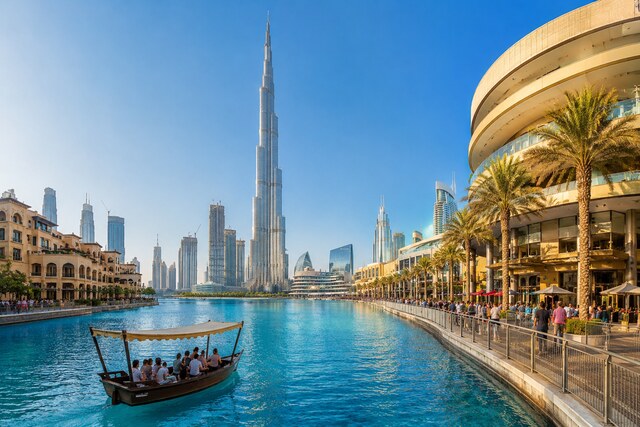
Dubai is useful for families who want a destination where entertainment, hotels, restaurants and major attractions are highly concentrated.
It can work especially well for families who prefer comfort and structured activities rather than remote adventure.
Best for
Young children through teenagers.
The trade-off
Summer heat can substantially affect outdoor plans.
Best approach: Build the itinerary around the season and mix indoor attractions with outdoor activities during cooler periods.
15. The Netherlands — Best for a Compact European Family Trip
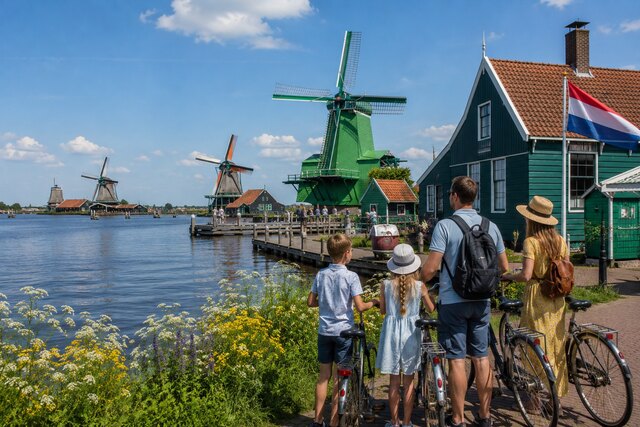
The Netherlands can be an excellent introduction to European travel with children because families can combine cities, museums, cycling and countryside experiences.
Amsterdam is only one part of the experience.
Families can also explore smaller towns, canals, parks and countryside.
Best for
School-age children and teenagers.
The trade-off
Amsterdam itself can be busy and expensive.
Best approach: Use the city as a base but explore beyond the most crowded tourist areas.
Best Places to Travel With Kids by Age
The destination should change as children grow.
Babies and Toddlers: Prioritize Convenience
With babies and toddlers, the best destination is rarely the one with the most attractions.
Prioritize:
- short transfers;
- reliable accommodation;
- easy food access;
- quiet sleeping environments;
- stroller accessibility;
- healthcare access;
- pools or beaches;
- flexible schedules.
Strong choices
Hawaii, San Diego, Portugal, Dubai and selected family resorts.
Japan can also work, particularly in major cities, because of its family infrastructure, but parents should plan around walking and transportation.
Ages 4–7: Choose High-Engagement Destinations
Children in this age range often benefit from destinations where activities are tangible and immediate.
Think:
- animals;
- theme parks;
- beaches;
- interactive museums;
- simple nature walks;
- water activities.
Strong choices
Orlando, Costa Rica, Portugal, Hawaii, San Diego and Japan.
Ages 8–12: Expand the Adventure
Older children can usually handle more complicated travel and begin appreciating the destination itself rather than only its attractions.
Strong choices
Japan, Costa Rica, Italy, Greece, national parks, London and British Columbia.
This is an especially good age for introducing children to different foods, cultures and outdoor experiences.
Teenagers: Give Them Some Ownership
Teenagers often respond better when they have a role in planning.
Instead of saying:
“We’re going to Italy because it’s educational.”
Try:
“You choose one experience you absolutely want to do, and we’ll build part of the trip around it.”
Strong choices
Japan, Costa Rica, Italy, South Africa, Greece, London and Bali.
Japan is particularly versatile because technology, food, gaming, pop culture, history and outdoor experiences can all exist within the same trip.
Best Family Destinations by Travel Style
Sometimes age is not the deciding factor.
Your family’s personality matters just as much.
For a beach vacation
Consider:
Hawaii, Portugal, Greece, Bali and San Diego.
For wildlife
Consider:
Costa Rica, South Africa and British Columbia.
For theme parks
Consider:
Orlando and Japan.
For history and culture
Consider:
Italy, Japan, London, Greece and Portugal.
For outdoor adventure
Consider:
Costa Rica, U.S. national parks, British Columbia and South Africa.
For a first international family trip
Consider:
Portugal, Japan or another destination with strong tourist infrastructure and a manageable itinerary.
Best Places to Travel With Kids on a Budget
“Budget-friendly” does not necessarily mean the destination with the cheapest hotel.
A destination can have cheap accommodation but expensive attractions and transportation.
When comparing family destinations, calculate the whole trip:
Flights + accommodation + local transportation + food + attractions + travel insurance + visas/entry costs + unexpected expenses
A family of four spending slightly more on accommodation in a central location may save money and energy by reducing daily transportation.
Ways to reduce family travel costs
- Travel outside peak school-holiday periods when possible.
- Stay longer instead of moving constantly.
- Choose apartments or family rooms when appropriate.
- Prioritize free attractions.
- Book accommodation near the activities you actually want to do.
- Avoid changing hotels every night or two.
- Build rest days into the itinerary.
- Compare the total trip cost rather than the nightly hotel price.
How Long Should a Family Vacation Be?
There is no universal answer, but trip length should influence destination choice.
3–4 days
Choose somewhere easy to reach.
Good options include:
San Diego, London, Dubai or a nearby beach destination.
5–7 days
This is enough for a meaningful single-destination trip.
Good options include:
Portugal, Japan’s major cities, Orlando, Hawaii or Costa Rica.
8–14 days
Longer trips make more ambitious international destinations more realistic.
Good options include:
Japan, Italy, Costa Rica, South Africa or Indonesia.
The key principle is simple:
The shorter the trip, the more expensive and disruptive unnecessary transportation becomes.
The Family Travel Mistake Most Parents Make
The biggest mistake is trying to maximize the number of attractions.
Parents often build itineraries like this:
Breakfast → museum → landmark → lunch → second attraction → shopping → dinner → evening show
On paper, it looks efficient.
With children, it can become exhausting.
A better family itinerary often looks like:
One major experience + one flexible activity + plenty of downtime.
Children need space to process the trip.
Parents need space to recover from parenting during the trip.
A successful family vacation is not measured by how many landmarks you photographed.
It is measured by whether everyone still wants to talk about the trip afterward.
How to Build a Better Family Itinerary
Use the 1–1–1 rule:
One major experience
Choose the day’s main attraction.
One flexible experience
Add something that can be shortened, moved or skipped.
One period of downtime
Return to the hotel, visit a park, swim, have a slow lunch or simply do nothing.
This creates resilience.
If the children wake up tired, you can remove the flexible activity without destroying the day.
That is much better than building a schedule where missing one reservation causes the entire itinerary to collapse.
What Parents Should Check Before Booking
Before paying for flights or accommodation, verify:
Accommodation
- Does the room actually sleep your family?
- Are extra beds available?
- Is there a refrigerator?
- Is the bathroom suitable for young children?
- Is the property near transportation or attractions?
- Is there excessive nightlife or street noise?
Transportation
- How long is the airport transfer?
- Will you need a car?
- Are child seats available?
- Is public transportation practical with a stroller?
- How much walking is involved?
Food
- Are there foods your children will reliably eat?
- Are supermarkets nearby?
- Can you accommodate allergies or dietary restrictions?
Weather
Do not only check average temperatures.
Look at:
- rain;
- humidity;
- extreme heat;
- seasonal storms;
- snow;
- daylight hours.
Weather can determine whether a destination is genuinely enjoyable for children.
Healthcare and safety
Check the current travel-health guidance for your destination before departure. The CDC maintains destination-specific travel-health information and recommendations for international travelers.
Documents
For international travel, check passport validity, visa requirements and any rules concerning children traveling with one or both parents. Requirements can vary by country and can change, so verify them with the relevant government authorities before booking.
A Simple Family Destination Scorecard
If you cannot decide between several destinations, score each from 1 to 5.
| Factor | Score |
| Flight/travel convenience | /5 |
| Accommodation options | /5 |
| Child-friendly activities | /5 |
| Adult enjoyment | /5 |
| Food flexibility | /5 |
| Transportation | /5 |
| Weather for your dates | /5 |
| Budget fit | /5 |
| Healthcare/access | /5 |
| Downtime potential | /5 |
The destination with the highest score is not automatically the winner.
Instead, look at the weakest category.
If a destination scores 5/5 for attractions but 1/5 for transportation, it may create more stress than another destination scoring 4/5 across the board.
That is an important distinction between a destination that looks good on Instagram and one that works well for a real family.
Conclusion
The internet is full of lists claiming to reveal the world’s “best family vacation destinations.”
But there is a problem with that approach.
A destination cannot be judged in isolation from the people traveling there.
Japan may be perfect for a family that loves culture and technology. Costa Rica may be better for children obsessed with animals. Portugal may win for parents who want beaches and European culture without an overly complicated itinerary. Orlando makes sense for theme-park enthusiasts. A national park may create the best memories for an outdoors-oriented family.
The goal is not to find the destination with the longest list of attractions.
The goal is to find the destination where:
- children have things they genuinely enjoy;
- parents get some time to enjoy themselves;
- transportation does not dominate the trip;
- accommodation makes family life easier;
- the budget remains manageable;
- the itinerary has room for unexpected moments.
That is what makes a destination truly family-friendly.
And when you’re deciding where to go with kids, less friction and more shared experiences usually beat a packed itinerary every time.
Explore lifestylewifey.com for practical ideas and inspiration across family, home decor, business, lifestyle, and travel.
FAQ’s
There is no universal winner, but Japan, Costa Rica, Portugal, Hawaii, Orlando and Italy are strong choices because they offer different combinations of entertainment, culture, nature, infrastructure and family-friendly experiences.
The right choice depends on children’s ages, budget, trip length and travel style.
For toddlers, prioritize convenience over attraction density. Hawaii, San Diego, Portugal and well-designed family resorts can work particularly well because parents can combine simple activities with downtime.
Japan is one of the strongest all-around choices because families can combine culture, food, technology, nature and entertainment, while major cities offer family-oriented infrastructure.
Portugal is another strong option for families looking for beaches, culture and relatively manageable distances.
Costa Rica is an excellent option because families can encounter wildlife while also enjoying beaches and outdoor activities.
South Africa is particularly compelling for families interested in safari.
Teenagers tend to appreciate destinations that give them independence, novelty and activities that do not feel designed exclusively for young children.
Japan, Costa Rica, Italy, Greece, South Africa and Bali are strong candidates.
Reduce the number of moving parts.
Choose fewer destinations, limit hotel changes, leave empty space in the itinerary and select accommodation based on location rather than simply price.
A slightly slower trip is often a significantly better family trip.
Choose a resort if your priority is convenience, predictable meals, pools, children’s activities and downtime.
Choose an independent trip if your family enjoys exploring, learning, trying different foods and adapting the schedule.
Neither is inherently better.
For most families, one major activity plus one optional or flexible activity is a better starting point than filling every hour.
You can always add something.
It is much harder to recover a day that has become exhausting.
