

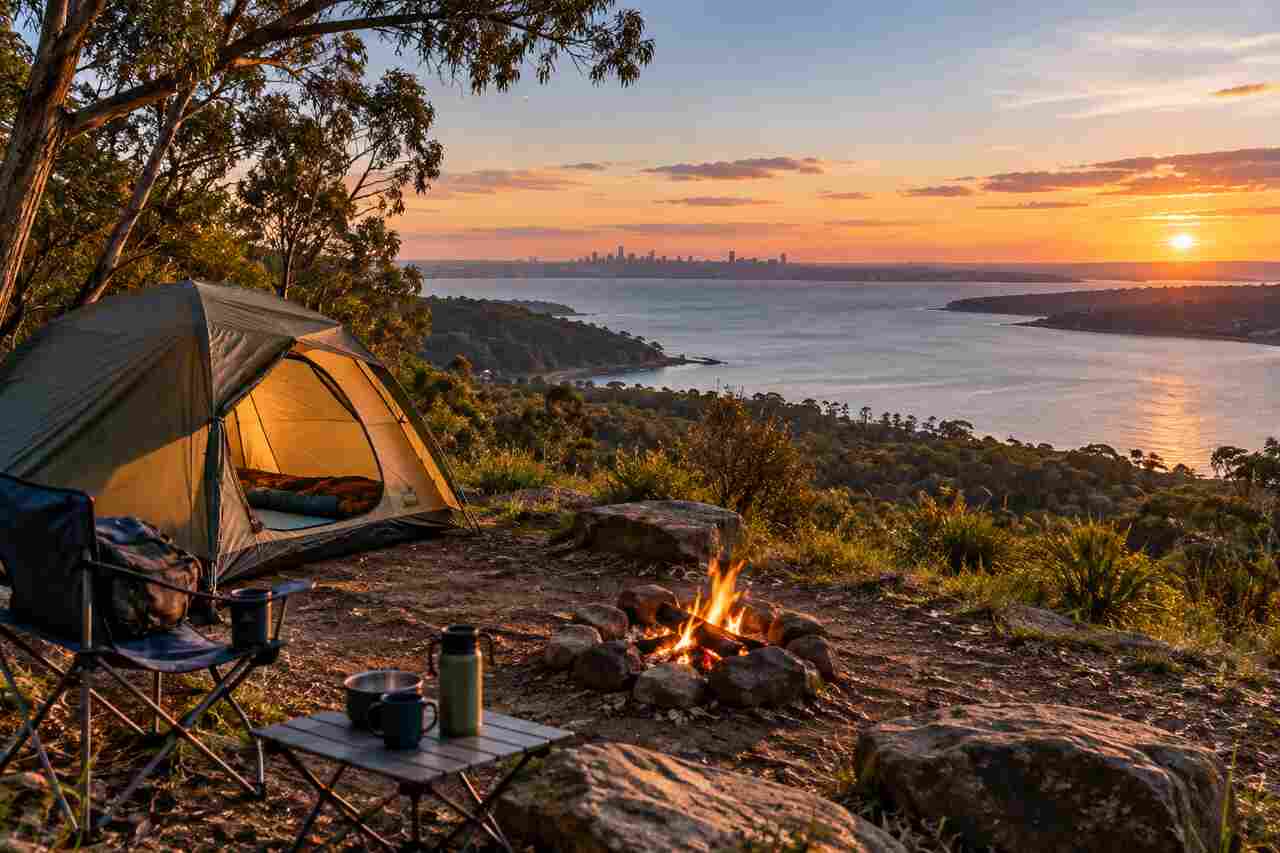
If you’re searching for camping Melbourne options, there are plenty of places to escape the city without travelling too far. From beaches and forests to mountains and rivers, the areas around Melbourne offer camping experiences for families, couples, beginners and outdoor enthusiasts.
Why Go Camping Near Melbourne?
One of the biggest advantages of camping around Melbourne is variety. Within a relatively short drive, you can move from coastal landscapes to mountain forests and quiet inland waterways.
Camping also provides an easy way to take a break from city life without committing to a long-distance trip.
A weekend outdoors can give you opportunities to:
- Explore walking and hiking trails
- Enjoy beaches and coastal scenery
- Swim, fish or kayak where permitted
- Watch native wildlife
- Cook meals outdoors
- Enjoy clear night skies
- Spend quality time with family or friends
- Disconnect from screens and busy routines
For many people, the appeal is simply having somewhere quiet to wake up surrounded by nature.
Best Camping Areas Around Melbourne
There is no single best camping destination for everyone. Your ideal location depends on whether you prefer the coast, forest, mountains or a campground with plenty of facilities.
1. Mornington Peninsula
The Mornington Peninsula is a popular choice for people who want to combine camping with beaches, coastal walks and small-town attractions.
Its proximity to Melbourne makes it particularly useful for a short weekend trip. Depending on the campground, you may find powered sites, facilities for families and access to nearby beaches or walking tracks.
Best for: beach camping, families, couples and weekend trips.
2. Yarra Valley and Dandenong Ranges
For a forest-focused camping experience, consider areas around the Yarra Valley and Dandenong Ranges.
The region offers lush vegetation, walking trails and scenic countryside. It can be a good option when your priority is enjoying forests rather than spending your entire trip beside the ocean.
Best for: hiking, forests, nature photography and peaceful weekends.
3. Great Ocean Road
Camping along or near the Great Ocean Road gives you access to some of Victoria’s most recognisable coastal scenery.
You can combine a camping trip with coastal walks, beaches, lookouts and sightseeing. Because conditions and campground availability vary, it’s worth planning your route before leaving Melbourne.
Best for: road trips, coastal scenery and adventure.
4. High Country
If you want a more rugged outdoor experience, Victoria’s High Country offers forests, mountains, rivers and extensive opportunities for outdoor recreation.
Camping here can feel considerably more remote than staying close to Melbourne. Some areas also experience significantly different weather conditions, particularly during colder months.
Best for: hiking, mountain scenery, experienced campers and longer outdoor trips.
5. Gippsland
Gippsland provides another excellent option for campers willing to travel farther from Melbourne.
The region includes forests, rivers, lakes and coastal environments, so you can choose between different styles of outdoor accommodation.
Best for: longer weekend trips, nature lovers and exploring less urban surroundings.
Camping Near Melbourne: What Type of Campsite Should You Choose?
Before booking a campsite, think about the experience you actually want.
| Camping style | Best suited to | What to look for |
|---|---|---|
| Family campground | Families and beginners | Toilets, showers, safe access and nearby activities |
| Beach camping | Coastal travellers | Beach access, weather protection and facilities |
| Forest camping | Hikers and nature lovers | Walking tracks, shade and wildlife |
| Remote camping | Experienced campers | Minimal facilities and greater privacy |
| Powered camping | Caravan/RV travellers | Electrical connections and vehicle access |
| Glamping | Comfort-focused travellers | Furnished accommodation and amenities |
A campsite with fewer facilities can offer more solitude, but it also requires greater preparation.
When Is the Best Time for Camping in Melbourne?
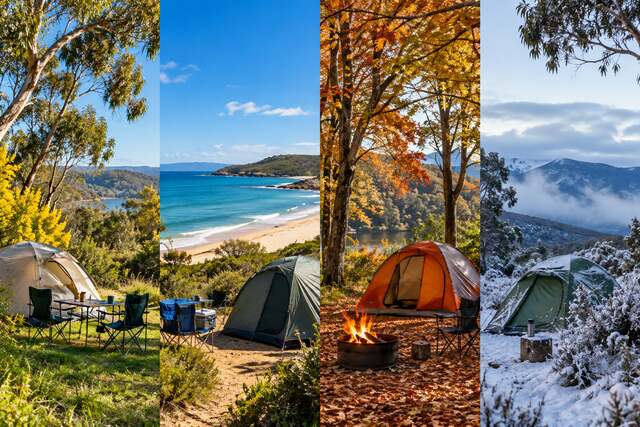
Camping around Melbourne can be enjoyable throughout the year, but each season offers a different experience.
Summer
Summer is popular for beach trips, swimming and longer daylight hours. However, campsites can become busy, particularly during weekends and school holidays.
Hot weather can also increase fire risk in some areas, so always check current restrictions before travelling.
Autumn
Autumn can be one of the most comfortable periods for camping. Temperatures are generally milder, and forest areas can become especially attractive as foliage changes.
It is a good season for hiking and exploring without the intensity of summer heat.
Winter
Winter camping can be rewarding if you are properly prepared. Nights can become very cold, especially away from the coast and at higher elevations.
A suitable sleeping bag, insulated sleeping mat, weather-resistant tent and warm clothing become much more important.
Spring
Spring brings improving temperatures and renewed vegetation, making it an appealing time for hiking and nature-focused camping.
Rain can still occur, however, so waterproof equipment remains important.
What to Pack for Camping Melbourne
Your packing list should reflect the campground, season and activities you have planned.
Essential camping equipment
- Tent and waterproof groundsheet
- Sleeping bag suitable for the expected temperature
- Sleeping mat or camping mattress
- Headlamp or torch
- Camping stove and fuel, where permitted
- Cooking equipment
- Reusable water bottles
- Food and snacks
- First-aid kit
- Rubbish bags
- Phone and portable power bank
- Weather-appropriate clothing
Clothing
Melbourne’s weather can change quickly, so layering is often more useful than relying on one heavy item of clothing.
Consider packing:
- Base layers
- Warm mid-layer
- Waterproof jacket
- Comfortable trousers or shorts
- Extra socks
- Sturdy walking shoes
- Hat and sun protection
If you’re camping during colder weather, bring additional insulation for nighttime.
Camping Food Ideas
You don’t need complicated recipes to eat well at a campsite.
Easy options include:
- Pasta
- Wraps
- Sandwiches
- Eggs
- Sausages
- Rice dishes
- Pre-prepared meals
- Canned foods
- Fresh fruit
- Trail mix
- Granola or muesli
- Marshmallows for an appropriate campfire setting
Prepare as much as possible before leaving home. Chopping vegetables, portioning ingredients and organising meals in advance can reduce the amount of work required at camp.
Always store food securely and follow local wildlife and campsite rules.
Camping Safety Tips
Good preparation is one of the easiest ways to make a camping trip safer.
Check the weather
Look at the forecast before leaving and again shortly before setting up camp. Strong winds, heavy rain, extreme heat and sudden temperature changes can affect your plans.
Check fire restrictions
Never assume that you can light a campfire simply because you have seen fires at a campsite previously. Fire rules can change according to location and conditions.
Know your campsite rules
Different parks and campgrounds have different requirements covering fires, pets, vehicles, generators, fishing, swimming and waste disposal.
Carry enough water
Do not assume that every campground will have drinking water. Confirm available facilities beforehand and carry enough water for your activities.
Tell someone your plans
For remote camping or hiking, let someone know where you are going, when you expect to return and what route you intend to take.
Camping With Kids Near Melbourne
Camping can be a great family activity when the destination matches the children’s age and experience.
For younger children, a campground with toilets, showers, easy vehicle access and nearby activities may be preferable to a remote campsite.
Bring familiar snacks, warm clothing and simple activities such as:
- Nature walks
- Bird watching
- Outdoor games
- Stargazing
- Swimming where permitted
- Simple campsite cooking
The goal doesn’t need to be a demanding outdoor adventure. Sometimes the best family camping trip is simply a comfortable campsite with enough space for children to explore.
Camping Checklist Before You Leave
Use this quick checklist before driving out of Melbourne:
Before booking
- Check campsite availability
- Confirm campground facilities
- Check access conditions
- Read current park restrictions
- Check whether fires are permitted
- Review the weather forecast
Before departure
- Pack your tent
- Check cooking equipment
- Charge your phone and power bank
- Prepare food
- Fill water containers
- Pack warm and waterproof clothing
- Carry a first-aid kit
- Tell someone your itinerary if travelling remotely
At the campsite
- Set up your tent securely
- Keep food stored appropriately
- Follow fire restrictions
- Keep the site clean
- Dispose of waste correctly
- Respect wildlife and other campers
How to Choose the Right Camping Melbourne Experience
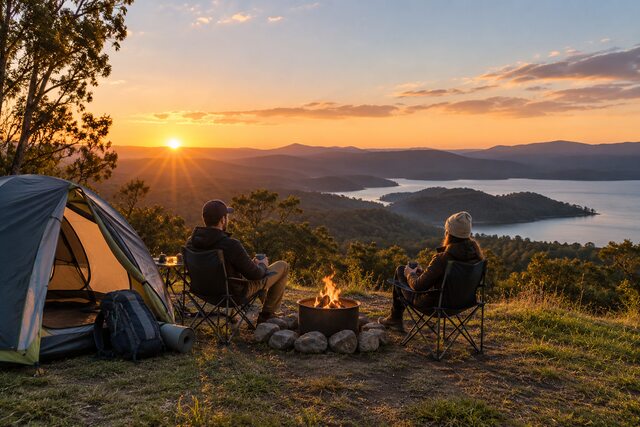
If you’re unsure where to start, work backwards from the type of weekend you want.
Want a quick escape? Choose somewhere within relatively easy driving distance of Melbourne.
Want beaches? Focus on coastal campgrounds around the Mornington Peninsula or Great Ocean Road.
Want forests? Look toward the Yarra Valley, Dandenong Ranges and forested regions beyond the city.
Want mountains? Consider Victoria’s High Country.
Want comfort? Choose an established campground with powered sites and facilities.
Want solitude? Look for less-developed camping areas, but make sure you’re prepared for limited services and changing conditions.
Final Thoughts
Camping Melbourne doesn’t have to mean travelling hundreds of kilometres into the wilderness. The areas surrounding Victoria’s capital offer beaches, forests, mountains, rivers and established campgrounds suitable for different levels of experience.
The key is choosing a destination that matches your trip rather than simply picking the closest campsite. Check the weather, campground rules, fire restrictions and facilities before you leave, pack for changing conditions and respect the environment once you arrive.
With the right preparation, even a simple weekend camping trip can be an easy way to step away from the city and spend more time outdoors.
Explore lifestylewifey.com for practical ideas and inspiration across family, home decor, business, lifestyle, and travel.
FAQ’s
There are camping options around the Mornington Peninsula, Yarra Valley, Dandenong Ranges, Great Ocean Road, Gippsland and Victoria’s High Country. The best choice depends on your preferred scenery, travel time and campground facilities.
There isn’t one universally best month. Autumn and spring can provide comfortable conditions for hiking and general camping, while summer is particularly attractive for beach trips. Winter camping is possible but requires appropriate cold-weather equipment.
Yes. Beginners can start with an established campground offering facilities, vehicle access and nearby activities. This is generally easier than beginning with remote or backcountry camping.
Yes. Family-friendly campgrounds can provide an accessible introduction to outdoor recreation. Look for facilities, easy access and activities appropriate for children.
At minimum, take suitable shelter, sleeping equipment, food, water, lighting, warm and waterproof clothing, a first-aid kit and any cooking equipment you need. Your exact packing list should reflect the season and campground.
Yes, but cold nights require more preparation. Check the forecast and make sure your tent, sleeping bag, sleeping mat and clothing are appropriate for the expected conditions.
