

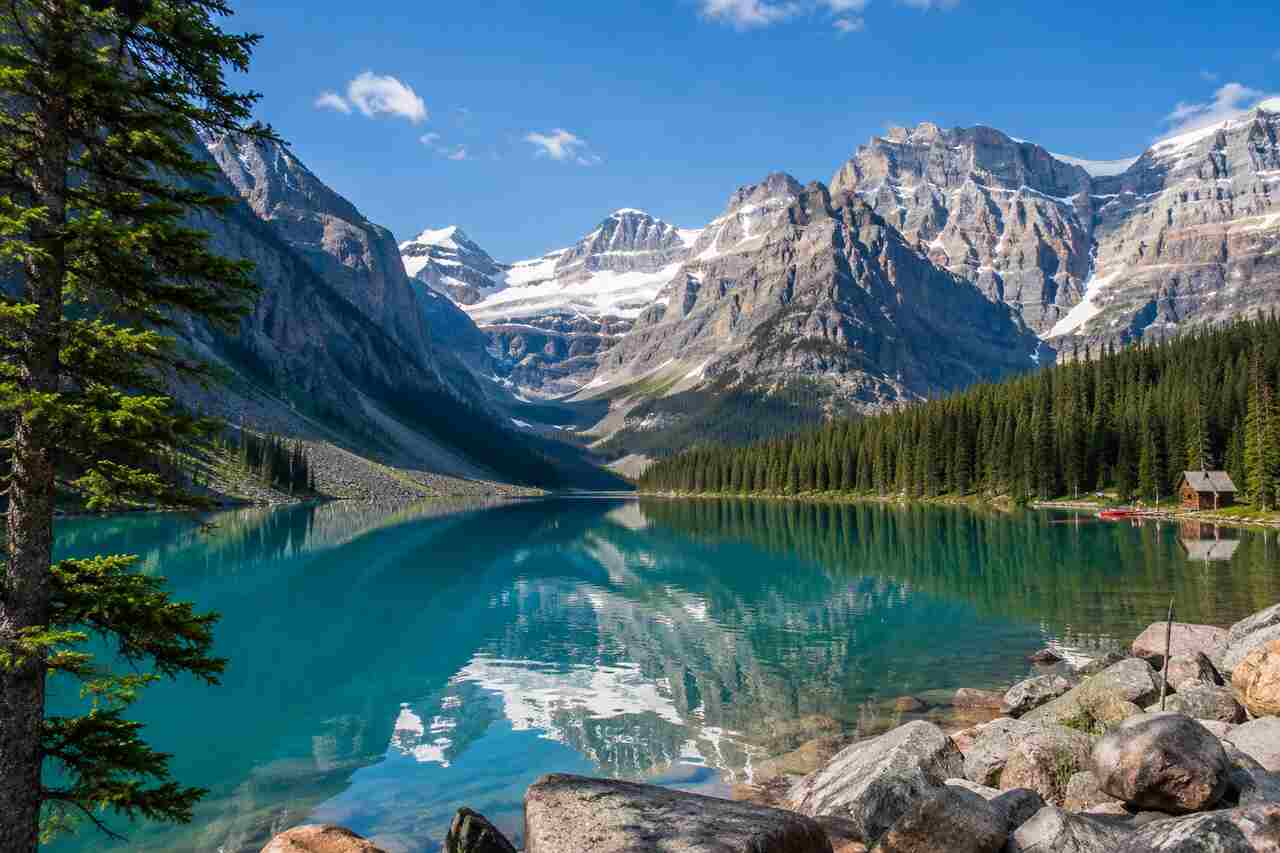
Banff and Lake Louise are especially beautiful in summer, with turquoise lakes, mountain views, hiking trails, scenic drives, and plenty of outdoor activities. Since summer is also the busiest season, planning ahead for crowds, parking, transportation, weather, and popular attractions can make your trip much easier and more enjoyable.
Is Summer a Good Time to Visit Banff and Lake Louise?
Yes. Summer is one of the best times to visit Banff and Lake Louise, particularly from July through August when hiking conditions and access to higher-elevation areas are generally at their best.
Parks Canada identifies July through mid-September as the prime hiking season, although snow can remain on some higher trails even during summer.
For first-time visitors:
- June: beautiful, but some higher trails can still have snow.
- July: excellent for long hiking days, wildflowers and classic summer activities.
- August: generally the warmest summer period and excellent for high-elevation hiking.
- September: quieter and often attractive for travelers who prefer fewer crowds, although conditions become cooler and snow becomes increasingly possible.
The important distinction is that “summer” is not one uniform travel season in Banff. Your experience can change significantly between early June and September.
When Is the Best Time to Visit Banff and Lake Louise in Summer?
There is no single best month for every traveler.
The right month depends on what you want to experience.
June: Best for Early Summer Scenery
June marks the transition into summer. Lakes begin taking on their famous turquoise appearance as glacial meltwater enters the waterways, while waterfalls can be particularly impressive because of increasing runoff.
However, higher-elevation trails may still be snow-covered.
If your priority is sightseeing, scenic drives, lower-elevation walks and enjoying the transition into summer, June can be rewarding.
If your priority is extensive alpine hiking, July or August is usually a safer choice.
July: Best All-Around Summer Month
July brings long daylight hours, warmer conditions and excellent access to outdoor activities.
It is particularly attractive for travelers who want to combine:
- Hiking
- Lake Louise
- Moraine Lake
- Scenic drives
- Gondola experiences
- Canoeing
- Wildflower viewing
- Outdoor dining
Banff & Lake Louise Tourism describes July as peak summer, with long days, accessible alpine terrain and a broad range of outdoor activities.
The downside is demand. Popular places are busy, so transportation and reservations matter.
August: Best for High-Elevation Adventures
August is an excellent choice if hiking is central to your trip.
Parks Canada notes that most alpine passes are generally snow-free by mid-July, making July and August particularly attractive for higher-elevation hiking.
August also brings warm summer weather and long daylight hours, although mountain conditions can still change rapidly.
September: Best for a More Relaxed Summer-Adjacent Trip
September sits on the edge of summer and autumn.
Temperatures are cooler, daylight is shorter and snow becomes more possible at elevation, but travelers may find the experience more peaceful than during peak summer.
For visitors who prioritize scenery, photography and hiking without needing every summer attraction to be operating at maximum capacity, September can be an appealing compromise.
Banff vs. Lake Louise: What Is the Difference?
Banff and Lake Louise are both within Banff National Park, but they serve different purposes on a summer trip.
The town of Banff is the larger visitor hub. It offers a wider range of restaurants, accommodation, shops, transportation connections and activities.
Lake Louise is a smaller community centered around access to some of the Rockies’ most famous landscapes.
Banff and Lake Louise are roughly 65 kilometres apart, according to Banff & Lake Louise Tourism.
A useful way to think about the two is:
Stay in Banff for convenience and variety. Stay in or near Lake Louise for proximity to the major Lake Louise-area attractions.
You do not necessarily need to change hotels to experience both.
The Best Things to Do in Banff and Lake Louise in Summer
The strongest summer itinerary combines iconic attractions with experiences that let you actually enjoy the landscape.
1. Visit Lake Louise
Lake Louise is the obvious starting point.
The turquoise lake is surrounded by dramatic mountain scenery and offers several ways to experience the area:
- Walk along the lakeshore.
- Hike toward Lake Agnes.
- Explore the Plain of Six Glaciers area.
- Rent a canoe when seasonal operations allow.
- Enjoy the mountain views from the lakeside.
- Continue into the surrounding Lake Louise area.
Lake Louise is among the busiest destinations in Banff National Park during summer, and parking is extremely limited. Banff & Lake Louise Tourism recommends booking a shuttle or tour in advance or using public transportation.
Best strategy: Treat Lake Louise as a planned destination rather than an attraction you simply “drive up to.”
2. Visit Moraine Lake
Moraine Lake is another iconic Canadian Rockies destination.
The critical logistical detail is that Moraine Lake Road is closed to personal vehicles year-round. During the summer access period, visitors rely on Parks Canada shuttles, Roam Public Transit or permitted commercial transportation, subject to current operating arrangements.
That means the old strategy of simply driving to Moraine Lake is no longer a realistic planning assumption.
For summer visitors, transportation should be one of the first parts of the itinerary to organize.
3. Hike Around Lake Louise
Lake Louise is not only a viewpoint.
It is also a gateway to some of the most famous hiking terrain in the Canadian Rockies.
Depending on conditions and your fitness level, options include:
- Lake Agnes
- Plain of Six Glaciers
- Little Beehive
- Big Beehive
- Lakeshore walks
- Longer routes connecting multiple viewpoints
Do not choose a hike simply because it looks spectacular online.
Check the current trail conditions, elevation gain, weather and restrictions before leaving.
Parks Canada recommends carrying appropriate clothing, food, water, navigation equipment, first-aid supplies and bear spray, and emphasizes that mountain weather can change rapidly.
4. Ride a Summer Gondola
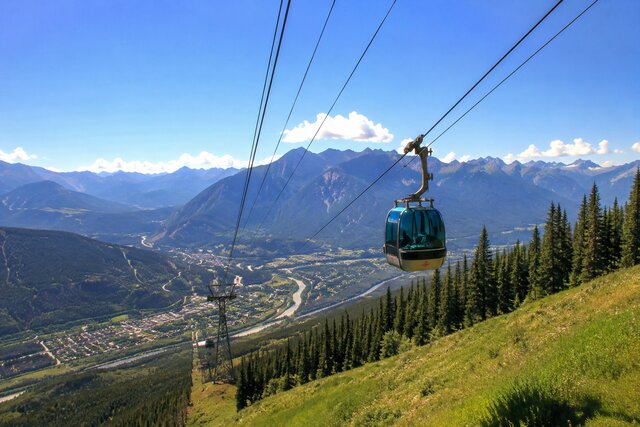
You do not have to climb a mountain to experience alpine scenery.
Summer sightseeing gondolas and chairlifts provide access to elevated viewpoints with significantly less physical effort.
Banff and Lake Louise have several summer sightseeing options, making them useful for:
- Families
- Travelers with limited hiking experience
- Photographers
- Visitors with limited time
- Anyone wanting panoramic views without a full-day hike
The Lake Louise Summer Gondola reaches approximately 2,101 metres and combines sightseeing with access to alpine scenery and interpretive experiences.
5. Explore the Icefields Parkway
The Icefields Parkway is one of the defining road-trip experiences of the Canadian Rockies.
Rather than treating it as simply a route from one destination to another, allow time for viewpoints and short walks.
Depending on your itinerary and road conditions, notable stops can include:
- Bow Lake
- Peyto Lake
- Mistaya Canyon
- Columbia Icefield area
- Athabasca Glacier
Banff & Lake Louise Tourism also incorporates Bow Lake and Peyto Lake into its multi-day summer itinerary recommendations.
Planning tip: Do not try to combine a full Icefields Parkway day with every major Banff attraction. The drive deserves its own time.
6. Go Canoeing or Paddle on an Alpine Lake
Summer transforms the lakes from scenic viewpoints into recreational destinations.
Depending on location and operating conditions, visitors can enjoy:
- Canoeing
- Kayaking
- Stand-up paddleboarding
- Guided water experiences
Lake Louise is particularly famous for canoeing against the backdrop of surrounding peaks.
Banff & Lake Louise Tourism lists paddling and rafting among its core summer activity categories.
7. Explore Banff Townsite
Not every summer experience needs to happen in the wilderness.
Spend part of your trip walking around Banff, exploring shops, cafés, restaurants and outdoor patios.
This also creates a useful rhythm for your itinerary:
big outdoor day → relaxed town evening → big outdoor day.
Trying to spend every waking hour hiking can make a mountain vacation surprisingly exhausting.
8. Visit Johnston Canyon
Johnston Canyon is one of the more accessible ways to experience Banff’s canyon landscape.
The route follows a developed trail toward waterfalls and canyon viewpoints.
Because trail conditions, closures and restrictions can change, check current Parks Canada information before visiting. Parks Canada maintains current bulletins covering closures, restrictions and other conditions throughout the park.
9. Explore Sunshine Meadows
Sunshine Meadows is another excellent option for travelers who want alpine scenery without committing to an extremely technical mountain adventure.
The area is particularly attractive during summer when alpine vegetation and wildflowers add another dimension to the scenery.
Banff & Lake Louise Tourism highlights Sunshine Meadows as a strong summer hiking destination and notes that it can be suitable for beginner hikers and families.
10. Enjoy the Rockies Without Hiking All Day
One of the biggest mistakes first-time visitors make is assuming that a successful Banff trip requires constant hiking.
It does not.
You can build a memorable summer trip around:
- Scenic drives
- Lakeside walks
- Gondolas
- Canoeing
- Wildlife viewing from a safe distance
- Restaurants with mountain views
- Patios
- Photography
- Short hikes
- Relaxation
The landscape does not disappear because you took an afternoon off.
Banff Lake Louise Summer Transportation: The Part You Should Plan First
Transportation is one of the most important differences between a casual Banff trip and a well-planned one.
Do You Need a Car?
A car provides flexibility, especially for:
- Icefields Parkway
- Less accessible trailheads
- Early-morning sightseeing
- Multiple destinations in one day
But a rental car does not automatically solve the Lake Louise problem.
Parking at popular locations can be extremely limited.
Parks Canada’s current information warns that Lake Louise parking can fill quickly during summer, while its Parks Canada Now system provides live-style updates on parking and visitor conditions.
Should You Use Shuttles?
For Lake Louise and Moraine Lake, shuttles and public transportation can be the smarter choice.
Parks Canada states that shuttle reservations can be made during the reservation season and that additional seats are released closer to departure.
For 2026, this is particularly important because the Canada Strong Pass provides free admission to Parks Canada-administered national parks from June 19 through September 7, but it does not eliminate Lake Louise parking fees or transportation requirements.
In other words:
Free park admission does not mean free or unlimited access to the most popular parking areas.
How Many Days Do You Need for Banff and Lake Louise?
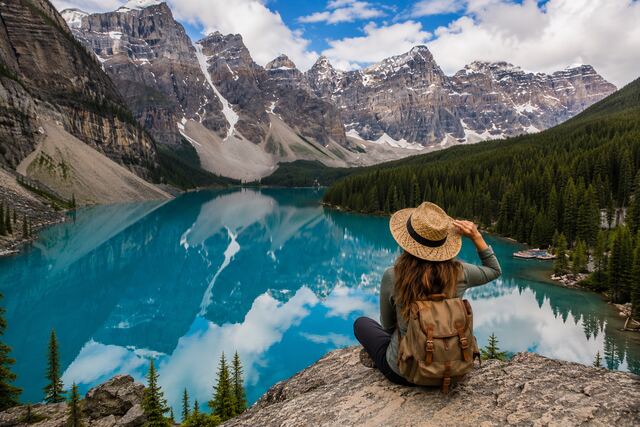
You can see highlights in two days, but 4–5 days is a much better starting point for a first summer visit.
2 Days
Good for a short introduction.
Prioritize:
- Banff town
- Lake Louise
- One major hike or gondola
- One scenic drive
3 Days
A strong long-weekend itinerary.
Add:
- Moraine Lake
- Johnston Canyon or another hike
- Canoeing or a gondola
- More time in Banff
4 Days
The sweet spot for many first-time visitors.
You can separate the major destinations instead of rushing between them.
5–7 Days
Ideal if you want to combine:
- Banff
- Lake Louise
- Moraine Lake
- Hiking
- Icefields Parkway
- Gondolas
- Water activities
- Relaxation
- Smaller scenic stops
Banff & Lake Louise Tourism’s own seven-day itinerary recommends spending time in both Lake Louise and Banff rather than treating the region as a single-day excursion.
A Practical 5-Day Banff Lake Louise Summer Itinerary
Day 1: Banff
Start slowly.
Explore the town, walk along the Bow River, visit nearby viewpoints and choose an easy activity rather than immediately attempting a major hike.
Finish with dinner and an evening walk.
Day 2: Lake Louise
Make Lake Louise the main destination.
Use your reserved transportation, explore the lakeshore and choose a hike appropriate to your group.
If you still have energy, enjoy the Lake Louise area rather than rushing back to Banff.
Day 3: Moraine Lake + Lake Louise Region
Use the appropriate shuttle or transportation arrangement for Moraine Lake.
Spend time at the viewpoint and choose an activity based on current trail conditions.
Keep the day flexible rather than stacking too many unrelated attractions.
Day 4: Icefields Parkway
Dedicate the day to the scenic drive.
Stop at major viewpoints such as Bow Lake and Peyto Lake and continue toward the Columbia Icefield area if your timing and road conditions allow.
Start early and return with enough time to avoid turning the day into an exhausting race.
Day 5: Choose Your Own Adventure
Use your final day based on what you enjoyed most.
Choose from:
- Sunshine Meadows
- Gondola sightseeing
- Canoeing
- Johnston Canyon
- Another hike
- Banff Upper Hot Springs
- A relaxed Banff day
- Wildlife-focused sightseeing
This final flexible day is important because weather and trail conditions can change your priorities.
What Should You Pack for Banff and Lake Louise in Summer?
Do not pack as if you are visiting a warm-weather resort.
Banff’s mountain weather is variable, and temperatures can change substantially with elevation.
Parks Canada specifically advises visitors to prepare for changing conditions and carry warm layers and rain protection even during summer.
Your summer packing basics should include:
- Comfortable hiking shoes or boots
- Lightweight layers
- Warm mid-layer
- Waterproof or rain-resistant jacket
- Sun protection
- Sunglasses
- Hat
- Refillable water bottle
- Daypack
- High-energy snacks
- Basic first-aid supplies
- Bear spray for hiking
- Headlamp
- Phone with offline maps
- Extra warm clothing
For longer or remote hikes, follow Parks Canada’s current recommendations rather than relying on a generic vacation packing list.
Banff Summer Weather: What Should You Expect?
Summer weather in Banff is generally comfortable compared with many warmer destinations, but mountain weather is unpredictable.
Parks Canada reports an average July high of about 22°C in the town of Banff and notes that temperatures can fall significantly with elevation. It also emphasizes that weather can change dramatically over the course of a day.
This means a morning that begins sunny and warm can become cool, windy or rainy later.
At higher elevations, conditions can be substantially different from those in Banff townsite.
The correct mindset is:
Pack for several types of weather, not one forecast.
Wildlife Safety in Banff and Lake Louise
Wildlife is part of what makes Banff special—but it should never be treated like a photo opportunity in a zoo.
Parks Canada recommends keeping at least 100 metres from bears and emphasizes carrying bear spray and knowing how to use it.
In summer 2026, Parks Canada has issued multiple bear-related advisories in the region, including an August warning covering Lake Louise Village, the Lake Louise RV campground and Bow River trails.
The practical rules are simple:
- Never approach wildlife.
- Never feed wildlife.
- Carry bear spray when hiking.
- Know how to use it.
- Make noise on trails.
- Stay alert.
- Keep children close.
- Keep dogs under control.
- Follow current wildlife advisories.
- Never stop your vehicle in an unsafe position simply to photograph an animal.
Wildlife conditions can change, so check current Parks Canada bulletins immediately before heading out.
Common Banff Lake Louise Summer Mistakes to Avoid
Mistake 1: Assuming You Can Park Anywhere
You cannot.
Lake Louise parking is extremely constrained during summer.
Better approach: reserve appropriate transportation or arrive with a clear access plan.
Mistake 2: Treating Moraine Lake Like a Normal Road-Trip Stop
Personal vehicles cannot use Moraine Lake Road.
Better approach: plan shuttle, public transit or commercial transportation before your visit.
Mistake 3: Planning Every Hour
Mountain trips need flexibility.
Weather, trail conditions, transportation delays and your own energy can change your plans.
Better approach: schedule one major experience per part of the day and keep some margin.
Mistake 4: Packing Only Summer Clothes
The calendar may say summer while the mountains say something else.
Better approach: bring layers and rain protection.
Mistake 5: Choosing Hikes by Instagram Photos
A beautiful photograph tells you almost nothing about:
- Elevation gain
- Trail conditions
- Exposure
- Snow
- Distance
- Required equipment
- Current restrictions
Better approach: use Parks Canada’s current trail information and choose according to the least experienced person in your group.
Mistake 6: Trying to See Banff, Lake Louise and the Icefields Parkway in One Day
Technically ambitious does not mean enjoyable.
Better approach: group destinations geographically and give the major landscapes enough time.
Is Banff and Lake Louise Expensive in Summer?
Summer is the peak visitor season, so accommodation and activities can become expensive.
Your biggest cost categories are usually:
- Accommodation
- Transportation
- Activities
- Dining
- Rental car
- Parking where applicable
One way to control costs is to prioritize experiences that do not require expensive tours.
For example, combining:
lakes + hiking + scenic drives + town walks
can create a spectacular trip without filling every day with paid attractions.
Also remember that transportation costs and parking policies are separate considerations from national park admission.
For summer 2026, the Canada Strong Pass provides free admission to Parks Canada-administered national parks between June 19 and September 7, while Lake Louise parking remains separately charged.
Banff Lake Louise Summer for Different Types of Travelers
For Families
Prioritize:
- Lake Louise lakeshore
- Gondola sightseeing
- Easy walks
- Canoeing
- Johnston Canyon
- Scenic drives
Avoid building every day around strenuous hikes.
For Couples
A balanced itinerary could combine:
- Lake Louise
- Moraine Lake
- Scenic drives
- Sunset or evening walks
- Gondola dining
- Patios
- Moderate hikes
For Hikers
Spend more time in:
- Lake Louise trails
- Sunshine Meadows
- Alpine routes
- Longer day hikes
- Multi-day hiking opportunities
Check trail conditions before every outing.
For Photographers
Prioritize:
- Early mornings
- Lake Louise
- Moraine Lake
- Peyto Lake
- Bow Lake
- Vermilion Lakes
- Mountain viewpoints
Early starts are particularly useful because they help reduce the impact of peak daytime crowds.
For First-Time Visitors
Do not try to copy a professional traveler’s itinerary.
Start with:
- Lake Louise
- Moraine Lake
- Banff town
- One major hike
- One scenic drive
- One flexible day
That gives you a strong introduction without turning the vacation into a checklist.
What Is the Best Way to Plan a Banff Lake Louise Summer Trip?
Use this order:
Step 1: Choose Your Month
Decide whether June, July, August or September best matches your priorities.
Step 2: Choose Your Base
Decide whether Banff, Lake Louise or a combination makes sense for your trip.
Step 3: Reserve High-Demand Transportation
Sort out Lake Louise and Moraine Lake transportation before building the rest of the itinerary.
Step 4: Choose Your Non-Negotiable Experiences
Pick your top three to five experiences.
Step 5: Build Around Geography
Put nearby attractions together.
Step 6: Check Conditions Before Each Outdoor Day
Review:
- Weather
- Trail conditions
- Closures
- Wildlife advisories
- Fire restrictions
- Transportation information
Parks Canada maintains current safety, trail-condition and bulletin information for Banff National Park.
Step 7: Leave Space for the Unexpected
Some of the best moments in Banff happen when you stop trying to fit another attraction into the schedule.
Conclusion
A Banff Lake Louise summer vacation is at its best when you balance iconic sights with realistic planning. Lake Louise, Moraine Lake, alpine hikes, scenic drives and mountain viewpoints can all be spectacular, but trying to experience everything in a single trip can leave you exhausted and frustrated.
Choose your travel month according to your priorities, arrange transportation for high-demand destinations in advance, check current Parks Canada conditions before outdoor activities and leave enough flexibility for changing weather. Whether you have two days or a full week, the goal should not be to check every attraction off a list—it should be to experience the landscapes that make Banff and Lake Louise special at a pace that works for you.
Explore lifestylewifey.com for practical ideas and inspiration across family, home decor, business, lifestyle, and travel.
FAQ’s
For travelers who want hiking, paddling, long daylight hours and broad access to outdoor activities, summer is one of the best seasons. July and August are particularly strong for alpine hiking, although conditions vary by elevation and year.
Yes. Lake Louise combines an iconic alpine lake with hiking, paddling, sightseeing and access to surrounding mountain landscapes. The main challenge is not whether it is worth visiting—it is managing summer crowds and transportation.
You can drive toward Lake Louise, but parking at the lakeshore is highly constrained and often fills quickly. Booking transportation or using public transit is generally the more reliable strategy during busy periods.
No. Moraine Lake Road is closed to personal vehicles. Summer visitors must use permitted transportation such as Parks Canada shuttles, Roam Public Transit or commercial operators, subject to current arrangements.
Two days can cover major highlights, but four to five days gives first-time visitors a much more comfortable balance of sightseeing, hiking, scenic drives and relaxation.
July and August generally offer the most reliable summer conditions for many outdoor activities, but mountain weather is variable and can change quickly. Parks Canada identifies July as the warmest month in the town of Banff based on its published averages.
They are both in the Lake Louise area, but they should be treated as separate destinations when planning transportation and time. Do not assume you can freely drive between them.
If you are hiking, Parks Canada recommends carrying bear spray and knowing how to use it. Wildlife encounters are possible throughout the park, and current advisories should always be checked before heading out.
